

Welcome to ny-ålesund
Kings Bay AS
Ny-Ålesund is a centre for international Arctic scientific research and environmental monitoring. Kings Bay AS’ main task is to manage valuable natural and cultural environments and to be a facilitator for Ny-Ålesund Research Station.
We run the community, take care of our common cultural heritage and supply infrastructure services, but also offer other services that contribute to greater research coordination and collaboration.
RADIO SILENCE
Ny-Ålesund is a radio silent settlement.
Use of wireless equipment, included Wi-Fi and Bluetooth are not allowed in Ny-Ålesund and 20 km in circumference. These functions search frequency and interfere with scientific instruments.
Turn off Wi-Fi and Bluetooth on ALL your devices. Included mobile phones, lap top, cameras,digital wrist watches etc.
Turn on flight mode.
Read more about the restrictions an possibilities for exceptions on the Ny-Ålesund Research Station site:

Land use plan
Kings Bay owns the Kongsfjorden Property (treaty property 38/1) and is responsible for the Ny‐Ålesund planning area under Section 48 of the Svalbard Environmental Protection Act.
In accordance with the Svalbard Environmental Protection Act § 50 Kings Bay as responsible for the Ny‐Ålesund planning area hereby announces public consultation of Land-use plan Ny-Ålesund 2023-2033.
Consultation draft Land-use plan Ny-Ålesund 2023-2033 consist of:
· Plan map with purpose-defined use and protection, consultation draft dated 16 June 2023 link to plan access
· Supplementary provisions and guidelines, consultation draft dated 16 June 2023
· Plan description, consultation draft dated 16 June 2023
The delimitation of the Ny-Ålesund planning area is determined in the Norwegian Regulation FOR-2002-06-28-650. The planning area is 25 km2. Prins Heinrichøya, Dietrichholmen and Mietheholmen are included in the planning area.

Services
Transport and logistical service
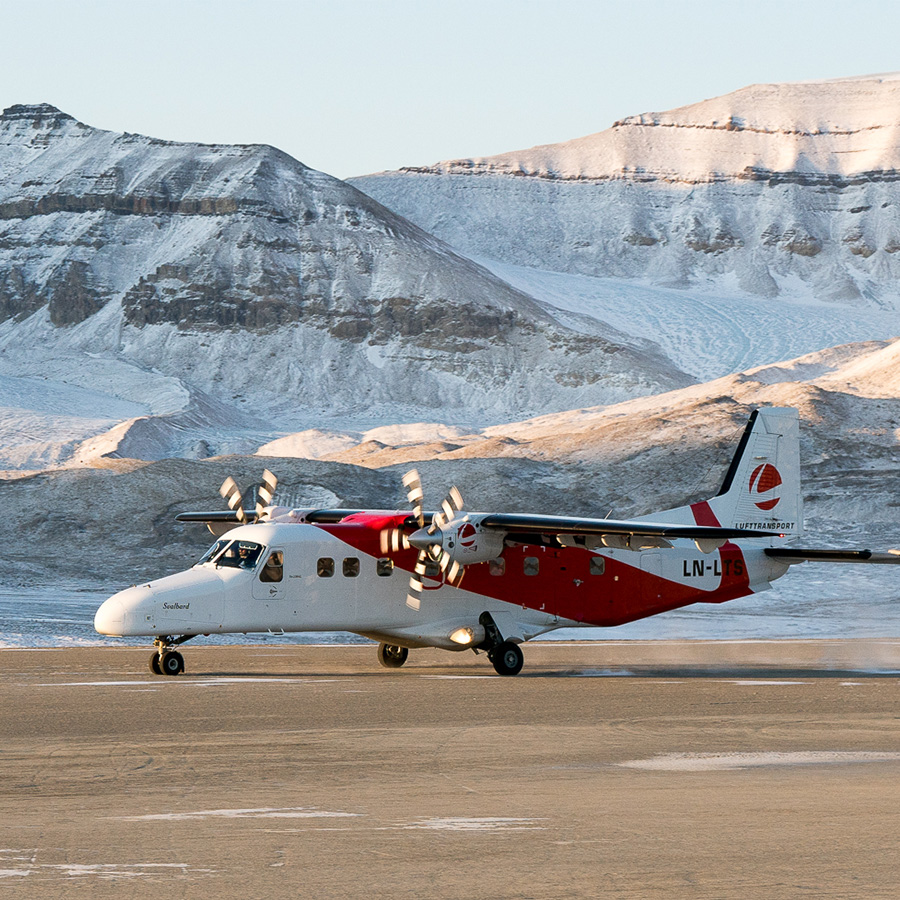
All bookings and reservations to and from Ny-Ålesund are issued by Kings Bay, not Lufttransport.
Research facilities

Local Community
Daily life in Ny-Ålesund
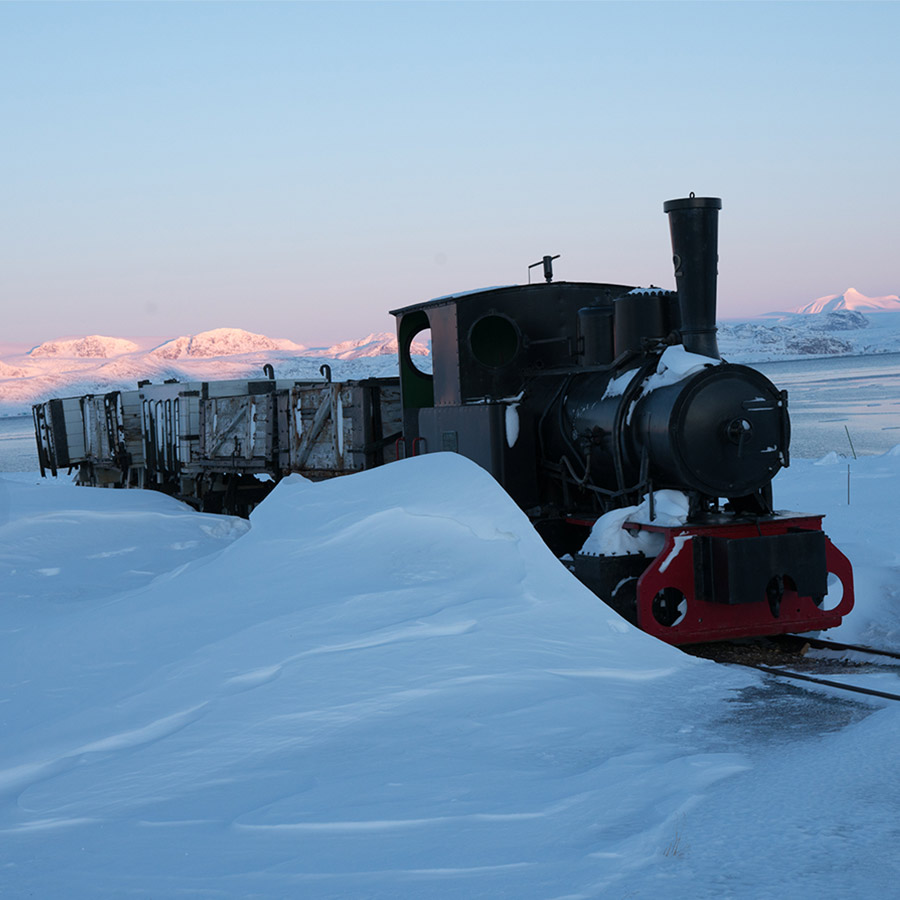
History and cultural heritage protection
Ny-Ålesund has Svalbard’s largest collection of automatically protected cultural heritages that date to before 1946.
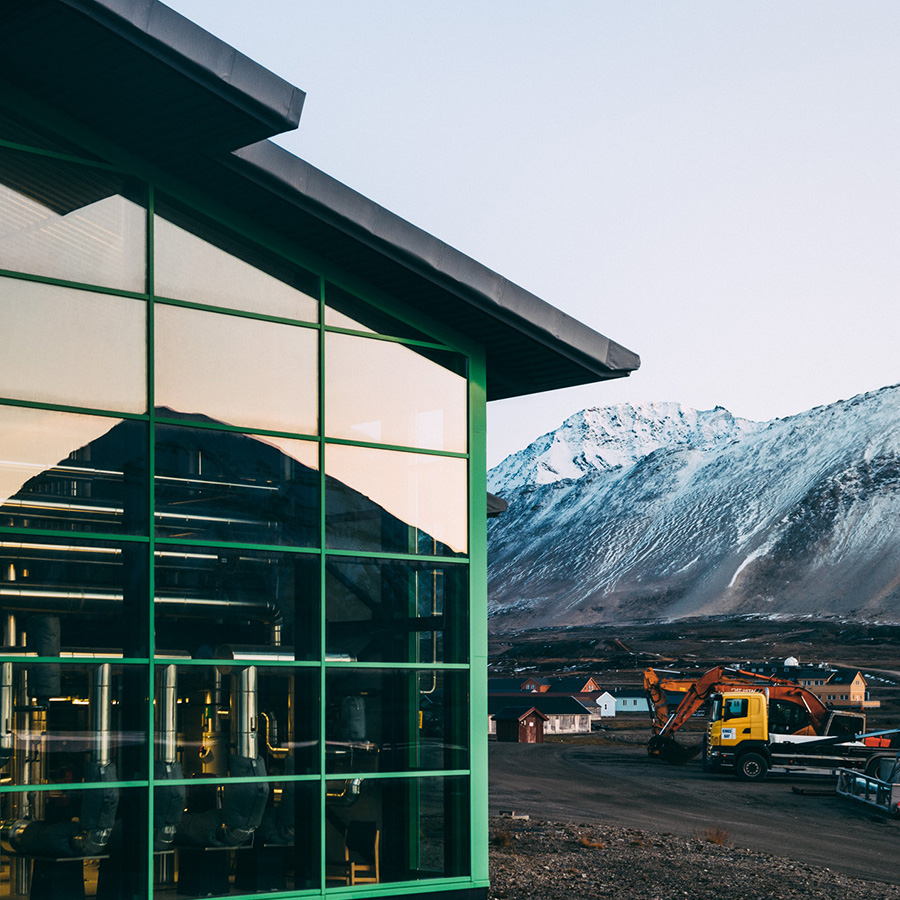
Community Operation
All the buildings and community services are operated by Kings Bay.
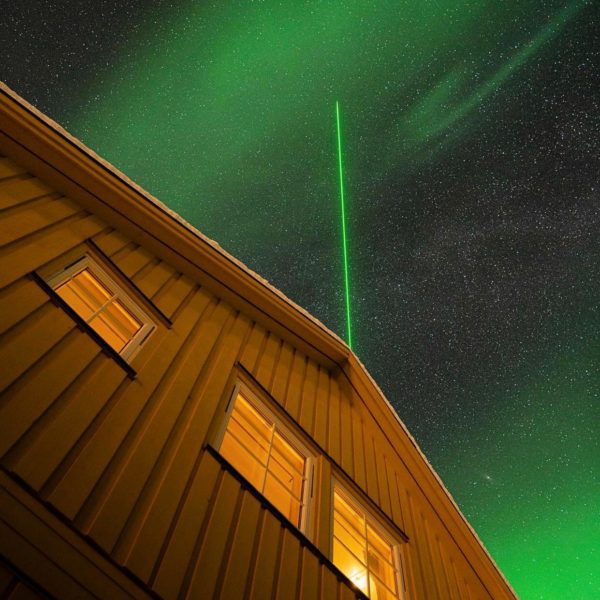
Accommodation, meals and shop
In Ny-Ålesund there is one shop and several rooms are rented out to researchers, consultants and visitors.
IMPORTANT INFORMATION
Regarding rental of firearms for protection against polar bears:
For further information about safety courses and/or renting weapons from Kings Bay, please contact the reception at: reception@kingsbay.no Phone: +47 79 02 72 00
Also see the Governor’s website for more information, or contact:
The Governor E-mail: vaapen@sysselmannen.no
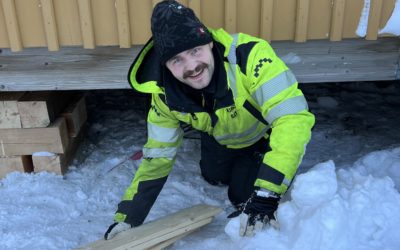
Moving Kongsfjordbutikken
Onsdag 29. mars ble Kongsfjordbutikken, et bygg med to etasjer på over 100 tonn, skjøvet til siden med håndmakt. På grunn av råte i de eksisterende pelefundamentene, har Kongsfjordbutikken blitt flyttet til siden over på et midlertidig fundament. Her vil det bli...

Sesongarbeidere sommeren 2023
Ansettelse av sesongarbeidere sommeren 2023 er i full gang. Også denne sommeren har Kings Bay behov for ekstra hjelp på flere avdelinger, ved søknadsfristens utløp hadde vi mottatt i underkant av 300 søknader. Det jobbes for tiden med å lese søknader og å intervjue...
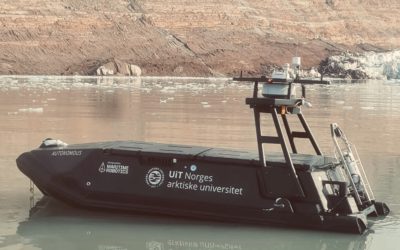
Unmanned Surface Vehicle
The Mariner Unmanned Surface Vehicle (USV) is a multipurpose unmanned vehicle for offshore and coastal applications, with proven performance in offshore operations.